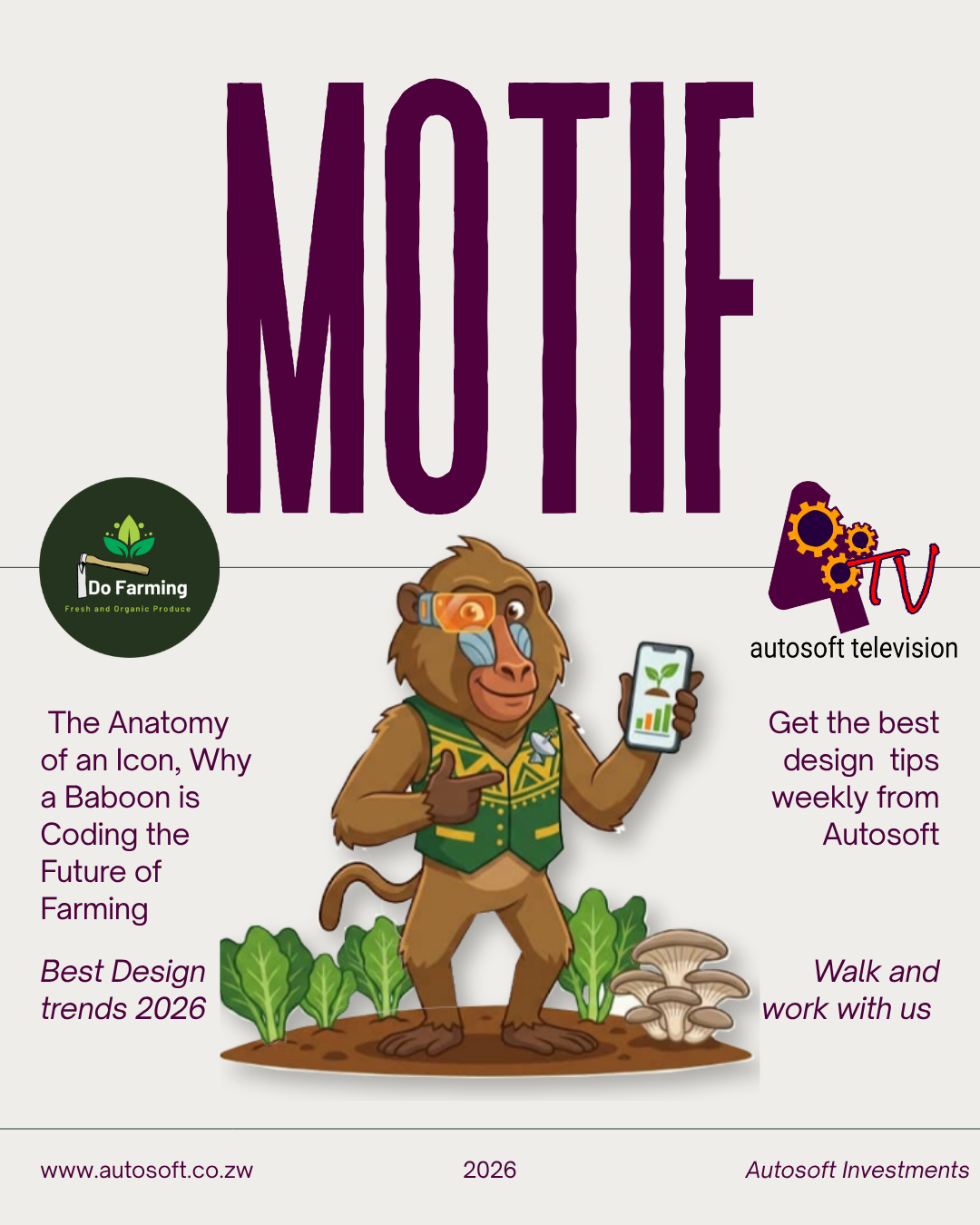
The Weekly Motif : The Architecture of Trust #2
Why Design is the Final Frontier of Cybersecurity in Zimbabwe.
In the 2026 digital landscape, a "secure" system isn’t just about SSL certificates and encrypted databases. It’s about Visual Authority.
As a developer building Miplace, I’ve realized that the "Trust Gap" in our market isn’t just caused by scammers, it’s caused by lazy design. When a legitimate business uses pixelated flyers, inconsistent fonts, and cluttered layouts, they look exactly like the "Jecha" scammers they are trying to distance themselves from.
The 2026 Standard: 3 Pillars of Visual Trust
1. The "Verified" Aesthetic
In the Autosoft Lab, we don’t just "make it look pretty." We use high-contrast, professional typography (like the bold sans-serifs in our DIY projects) to signal stability. If your design feels grounded, your brand feels permanent.
2. Purposeful Friction (The Watermark Rule)
We’ve been onboarding top-tier realtors this week who insist on watermarked photos. In design, this isn’t just about protection; it’s a "Proof of Origin." A clean, well-placed watermark tells the buyer: "This asset is managed. This asset is real."
3. The Speed of Clarity
A "Believer" or a serious buyer should never have to hunt for information. Whether it’s an property listing on Miplace or a DIY kit from Kalchet Kitchens, the hierarchy of information must be immediate.
- Headline ➔ Value Prop ➔ Action. * If your "pixel" is messy, your business looks messy.
the hierarchy of information must be immediate.
Headline ➔ Value Prop ➔ Action
The Autosoft Perspective
Whether I’m keyframing the next scene of Sugar Heist 2 or coding the dashboard for our Agri-Tech app, the goal is the same: Eliminate the Randomness. We are moving away from "good enough" graphics. We are building the 2026 Standard where every pixel serves a purpose and every design builds a bridge of trust.
Stop blending in. Start being verified.
#Autosoft #WeeklyMotif #The2026Standard #VisualTrust #GraphicDesignZim #DigitalArt